Sensor and PLC data, joined to the business
Predictive maintenance means less downtime and cost-savings on parts.
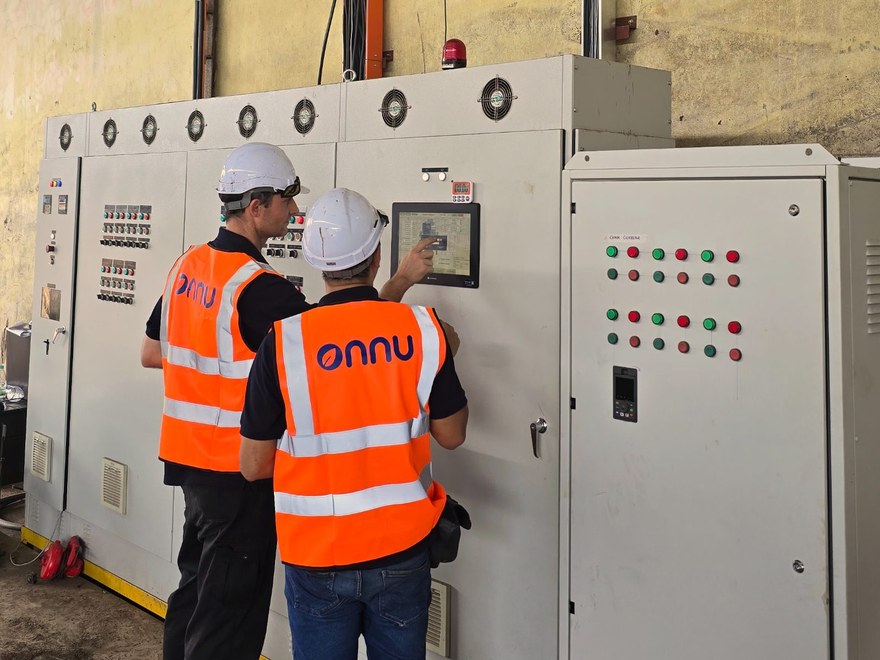
Metrics in progress
No maintenance events have yet been prevented and no uptime figures have moved, since the platform is still in the data-verification stage rather than live prediction.From diagnosing trips to predicting them
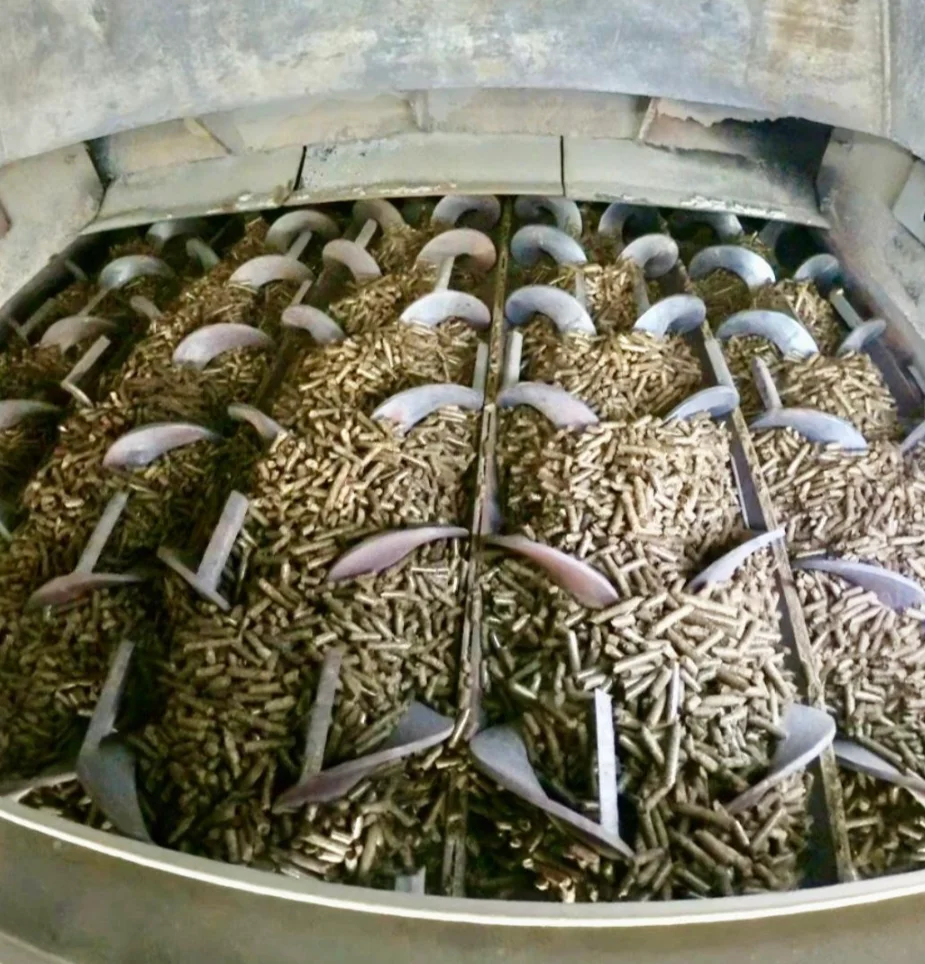
Our client is a biochar project developer that operates industrial pyrolysis plants, converting biomass feedstock; oil palm trunk, empty fruit bunches, and others, into biochar. BioSource's existing Trip Analysis capability already correlates a motor trip alarm against that motor's current-draw and reverse-count data across ten tracked motors, allowing a trip to be diagnosed after it happens.
The underlying data wasn't ready for a baseline
Diagnosing a trip after it occurs is not the same as catching degradation before a motor fails. Moving from reactive to predictive maintenance required a trustworthy baseline of normal current-draw behaviour per motor and the underlying data wasn't ready.
Two systems, no trusted link
No connection existed between the PLC's live sensor tags and the equipment parts catalogue: structurally separate systems with incompatible identifier schemes, so no automated link could be trusted.
The sensors changed mid-stream
The PLC vendor changed what the sensors measure mid-stream, from one combined current reading per auger drive to two independent sub-motor readings. Mixing old and new data would have corrupted any baseline.
A live labelling bug
Four new current-sensor channels were auto-discovered with the wrong unit recorded against them. The values were correct, but anything built on the label rather than the value would not have been.
Verifying the data before modelling begins
[One or two lines introducing the tool — to be completed]
- A verified mapping, two motors firstAn explicit, human-verified mapping from PLC sensor tags to physical equipment, scoped deliberately to two motors first rather than guessed at scale, and confirmed against real production data.
- A live bug, fixed in productionThe unit-labelling bug found during that verification was corrected directly in production.
- Legacy and current data, kept apartA clear separation between legacy (pre-split) and current sensor readings, so the two are never mixed in a future baseline calculation.
A trustworthy baseline, verified motor by motor
The team has verified, motor by motor, that the underlying sensor data is accurate and trustworthy enough to build a predictive model on:
Book a free opportunity review.
A focused conversation about how your business runs and where AI could help — and where it would not.