Cameras and AI to improve process automation at an agricultural plant
Using cameras and image recognition to take away tedious human monitoring, freeing-up staff for higher value tasks.
Expansion now ready
The removal of the limiting factor on operation allows the whole plant to scale.A complex, 24/7 production process
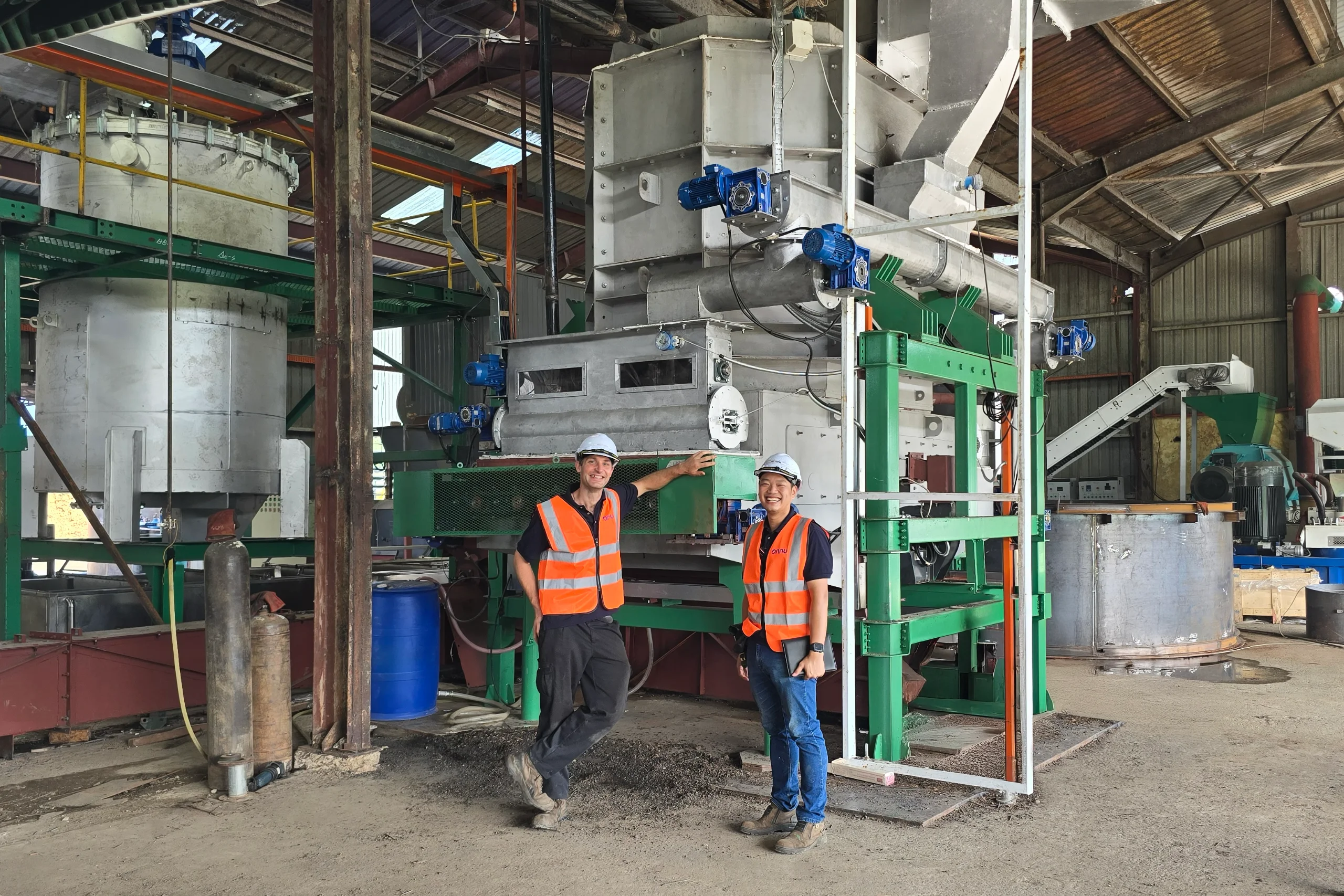
Aumkar Plantations in Malaysia operate a 24/7 pyrolysis process, taking agricultural residues and converting them into carbon removals, biochar and green energy. The operation is large and requires multiple pieces of equipment to work in unison to optimise outputs. Previously, level sensors were relied upon to monitor throughputs, but reactions to issues were too slow, resulting in interruptions to production.
Keeping every valve filled without a human watching it
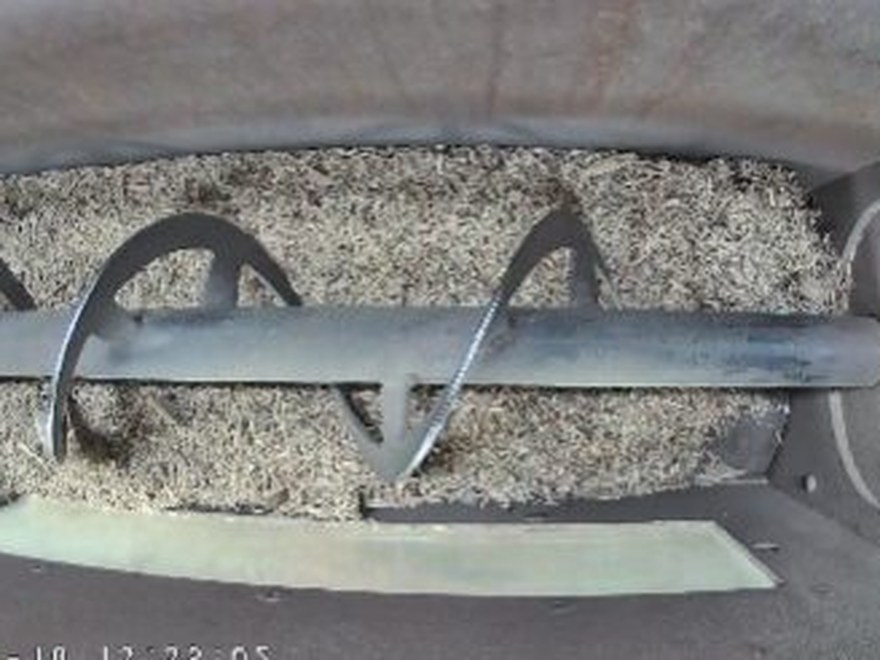
Keeping each rotary valve correctly filled is critical to smooth, continuous operation. Too little feedstock underfills the valve, too much overfills it, and either state requires a fill-time correction on the augers. Historically, this has relied entirely on manual visual inspection: an operator watches a live camera feed above each valve, classifies what they see into one of six fill states every 90 seconds, and manually adjusts auger fill time in small ±2 second increments.
One person, two feeds, around the clock
The manual process ties up one operator continuously monitoring two camera feeds, on a line that never stops.
Inconsistent, fatigued judgement calls
Classifying fill state by eye, every 90 seconds, introduces the possibility of inconsistent or fatigued judgement calls.
A ceiling on how far production could scale
Relying on manual monitoring slows Aumkar's ability to scale the operation to more equipment and more sites.
A computer vision fill-state classifier
[One or two lines introducing the tool — to be completed]
- Reading fill state from the existing cameraMainspring built a computer vision classification model to automatically read the fill state of each rotary valve from the existing overhead camera feed, replacing the manual visual check.
- The same six categories an operator usesThe model classifies each image into the same six categories an operator would use: Empty, Underfilled, Filled, Almost full, Overfilled, or Unreadable.
- Straight into the PLCThat classification feeds directly into the PLC, triggering the ±2 second auger adjustment automatically.
From manual checks to automated, real-time classification
Following full deployment across both rotary valves and integration with the PLC, the manual visual monitoring process has been replaced with automated, real-time fill-state classification driving auger adjustments directly.
Book a free opportunity review.
A focused conversation about how your business runs and where AI could help — and where it would not.