
Engineering project calculator
Intelligent Lead Assessment for Industrial Equipment
22new leads in the first two weeks
Explore case study
A focused conversation about how your business runs and where AI could help — and where it would not.
Book a free review →A biochar carbon project developer was proving each production run by hand, reading 155 sensor registers and reassembling the evidence afterwards. Now every run is captured as a structured record and checked against its own history and the methodology it is claimed under, before a credit is ever issued.
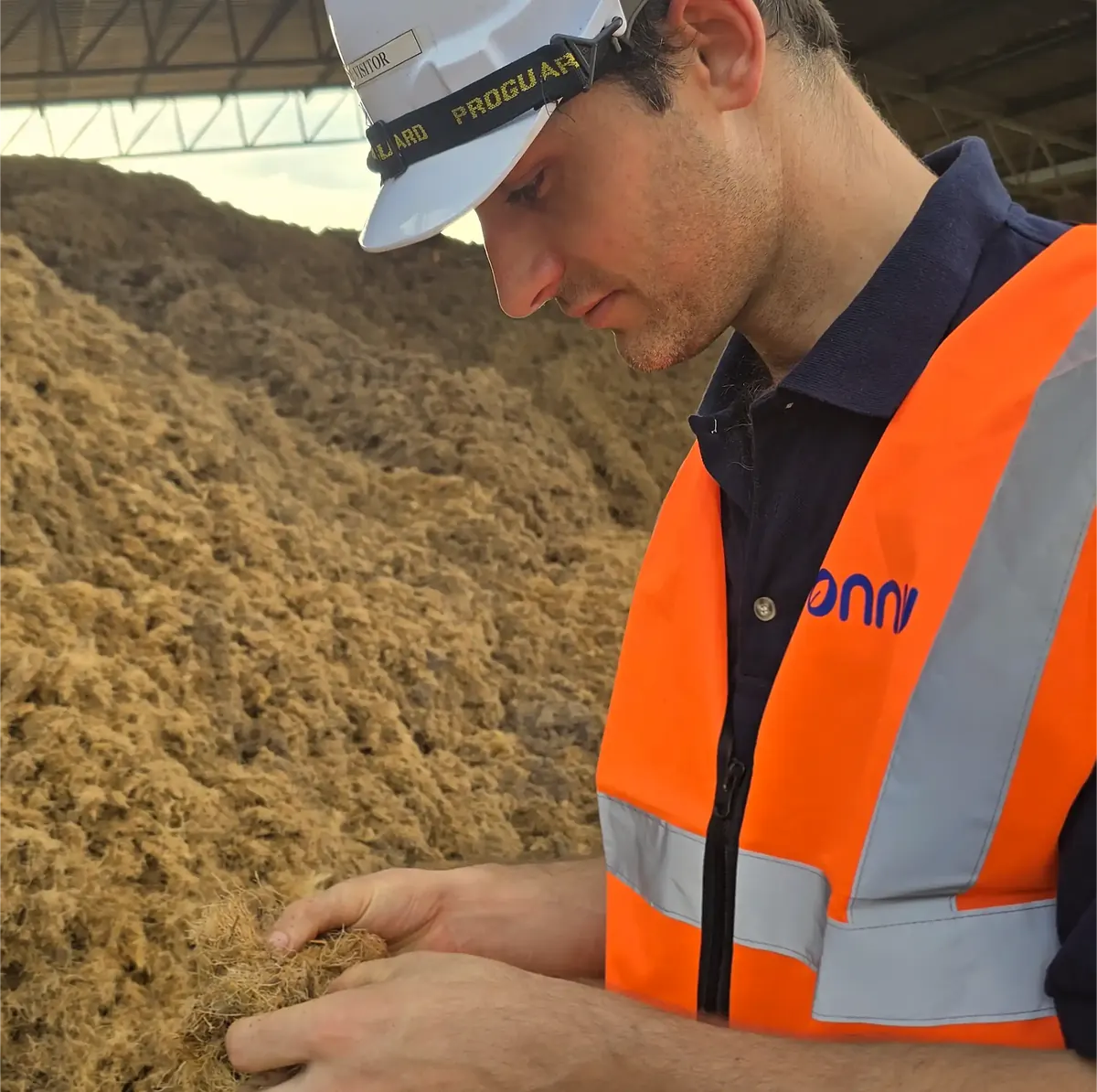
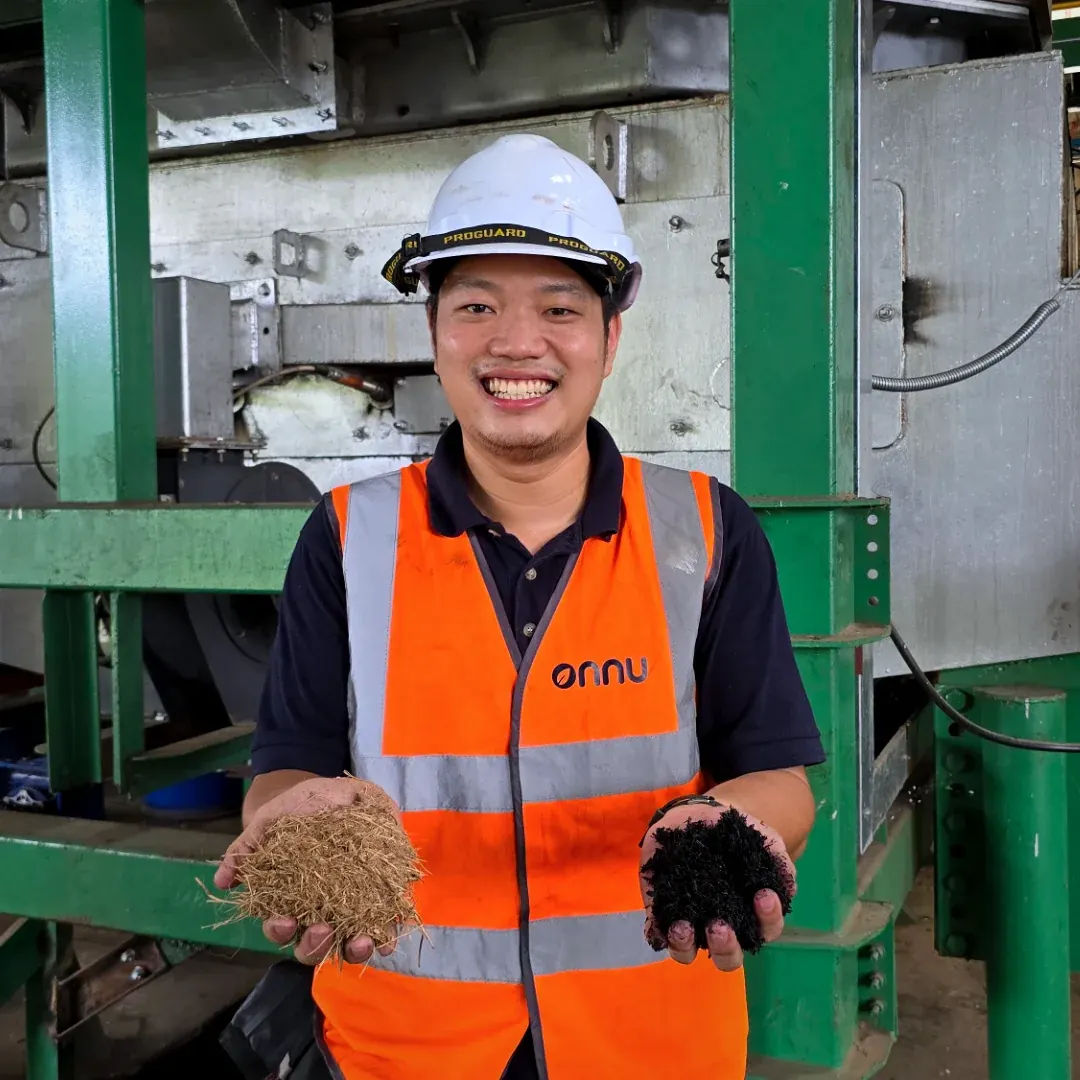
Our client is a biochar carbon project developer operating industrial pyrolysis plants, converting biomass feedstock such as oil palm trunk and empty fruit bunches into biochar. Each plant streams live PLC data across roughly 155 sensor registers: temperatures, motor currents and speeds, gas and pressure, flow and alarms. Every tonne of biochar they sell as carbon removal has to be proven. Not described, proven, with evidence a registry or verifier will accept.
Machine telemetry and business/compliance data lived apart, with no structured way to prove a production run met MRV (Monitoring, Reporting, Verification) requirements.
Nothing connected what feedstock went into a run, how the reactor actually performed, and whether that run qualified for compliance or carbon claims.
Raw PLC alarm codes and sensor tags were machine identifiers, not language. Turning a run’s telemetry into something a compliance report could use meant someone who knew the plant sitting down with the logs.
Operator checks during a run were ad hoc rather than recorded, so the quality of the evidence depended on who was on shift.
With business data siloed from run data, a wrong number could travel all the way into an issued claim before anyone noticed. In carbon removal that is not a correction, it is a reversal, and it costs trust as well as credits.
Each production run is captured as it happens with its feedstock type, input and output mass, moisture, duration and timestamps, ready to export over any date range. Nothing is reassembled from logs after the fact.
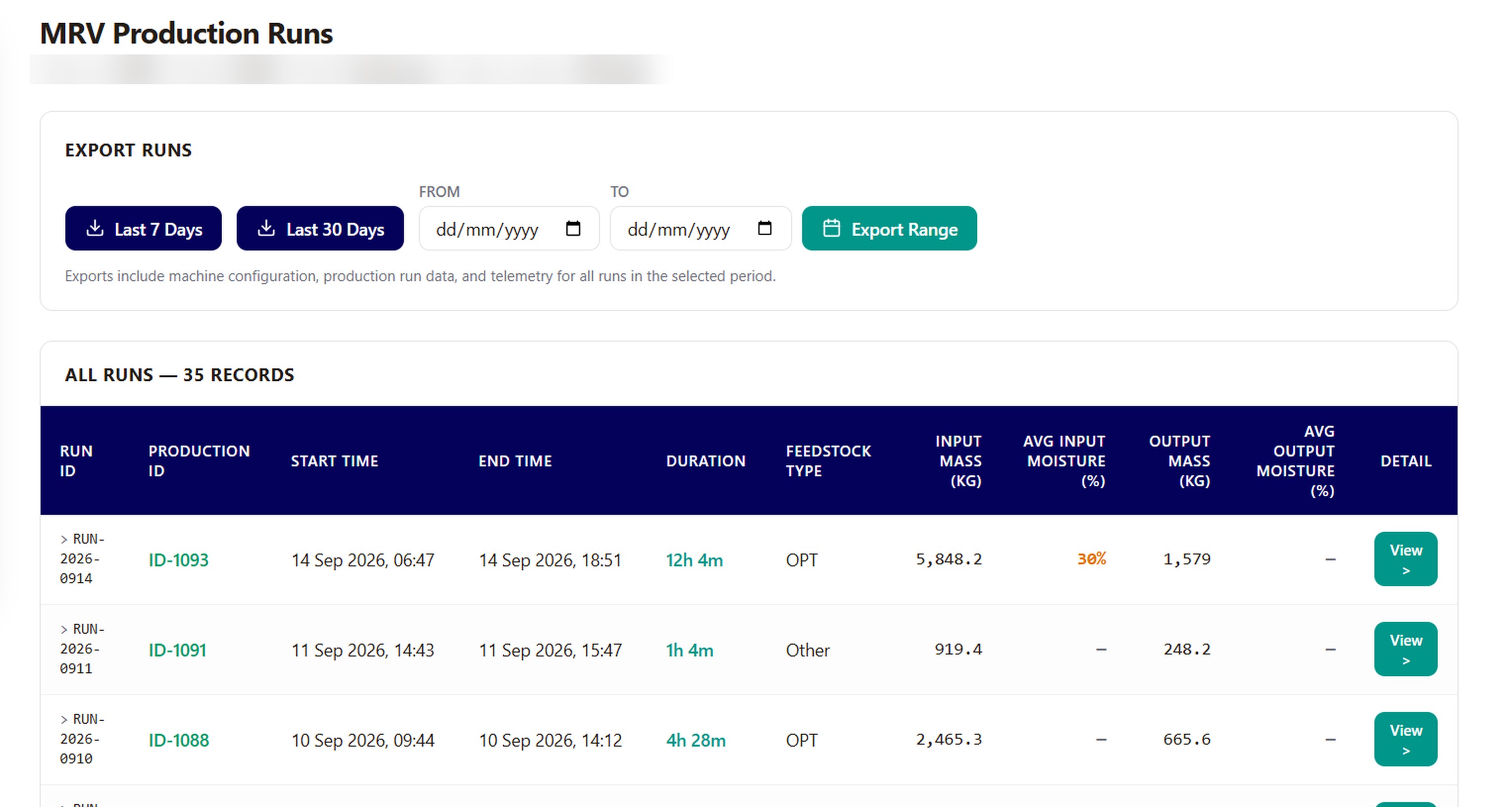
Thirty-five runs held as records, not as logs waiting to be interpreted.
Machine configuration, production run data and minute-level telemetry are held as one linked record per run, so every figure in a claim traces back to the reading it came from. A verifier’s questions are answered from the record rather than reconstructed by an engineer.
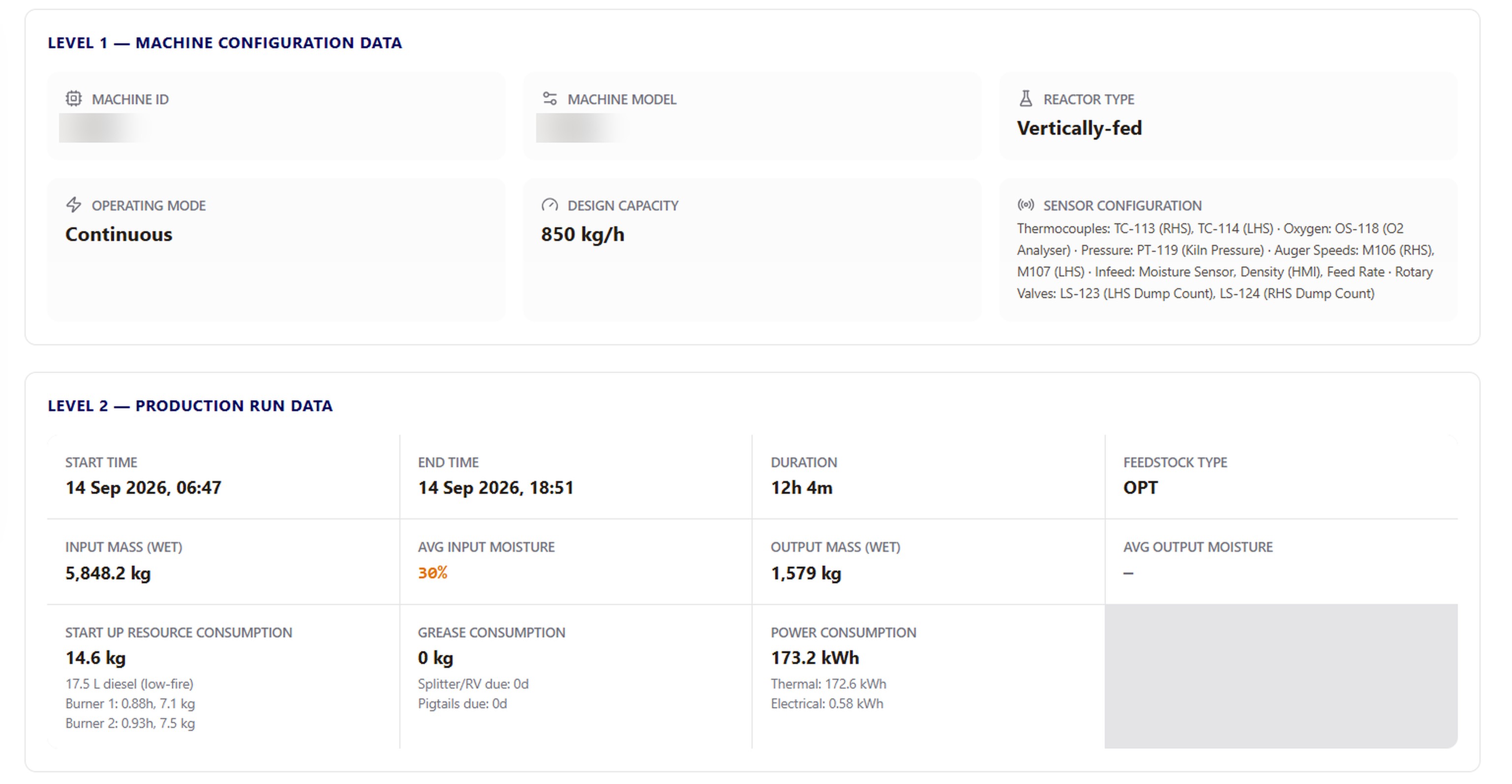
Configuration, mass balance and energy use for one run, in one place.
Every sensor tag is decoded into a named, scaled reading, so 723 records of thermocouples, oxygen, pressure, auger speed and residence time become something a report can quote. AI reads the trace against the run’s own history, separates a genuine process excursion from a sensor dropout, and flags each record that does not hold up.
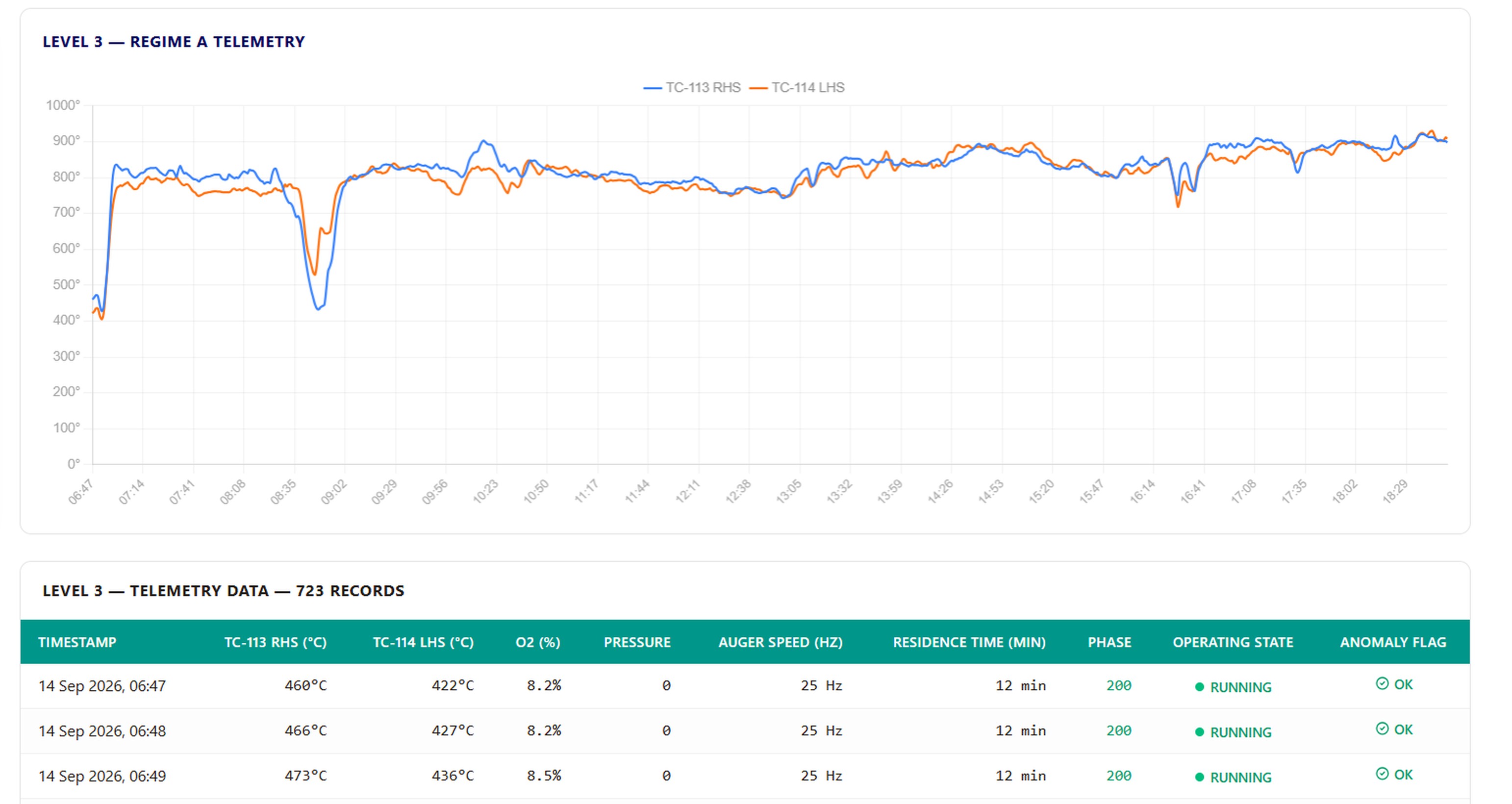
Twelve hours of two-channel telemetry, each record carrying its own anomaly flag.
Keys are issued per machine, separating the plant’s own ingestion from the customer-facing API. Registries and dMRV providers pull the runs they are entitled to over a standard endpoint, without the developer paying for a third-party platform to sit in between.
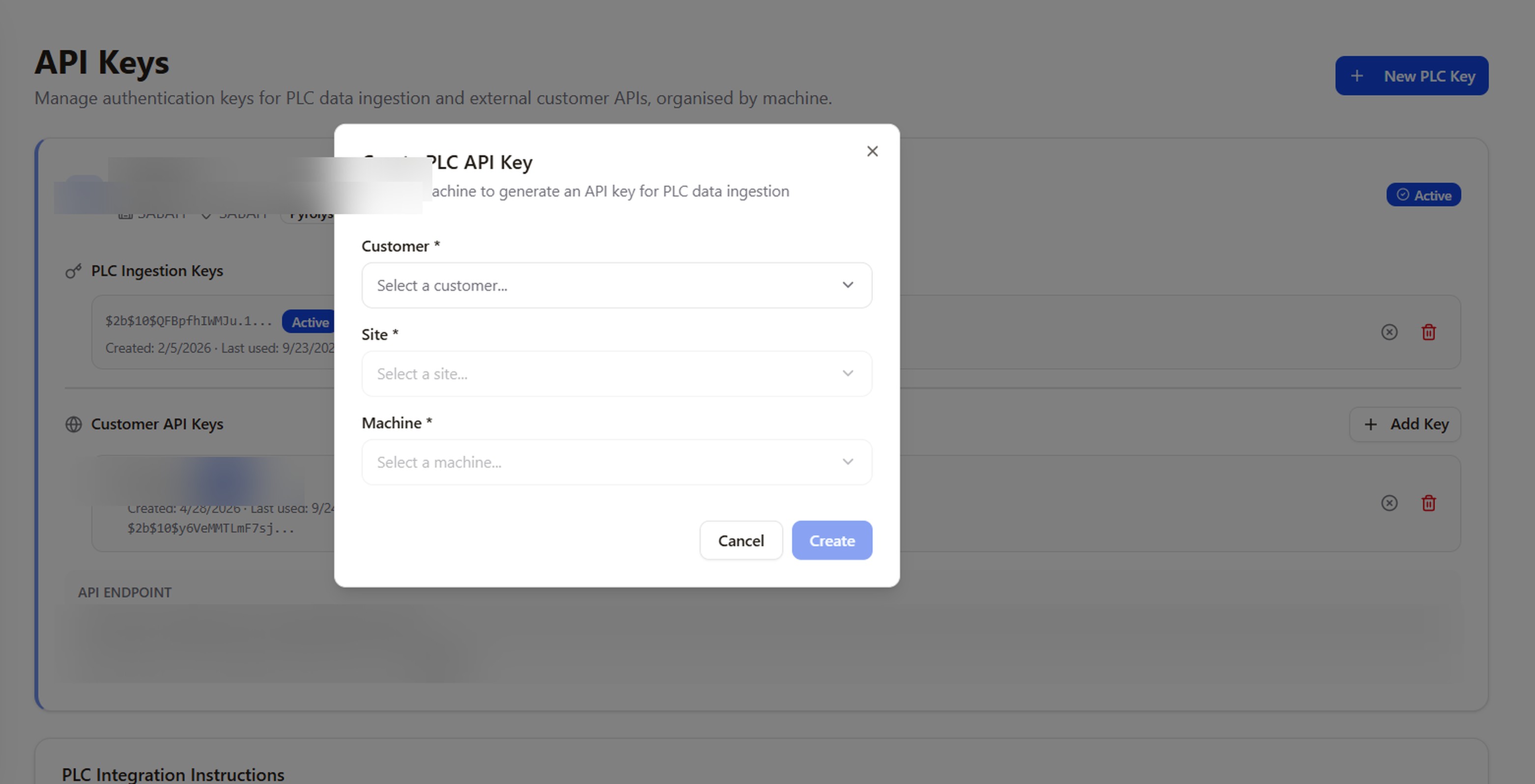
Each customer key returns only the runs from the machine it was issued against.
Machine telemetry, compliance data and feedstock data sit in one connected system, and every run is checked before it becomes a claim:
Tell us about the process or manual check that is slowing you down. We will tell you plainly whether AI is the right answer.
Get in touch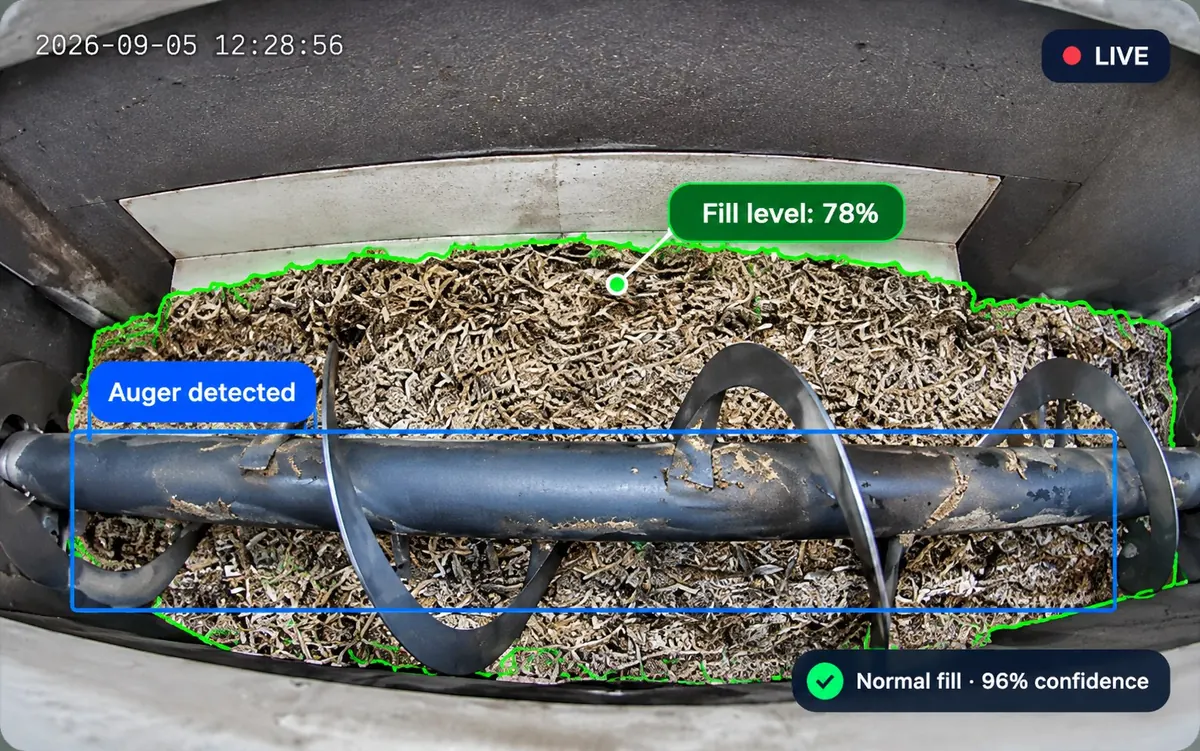

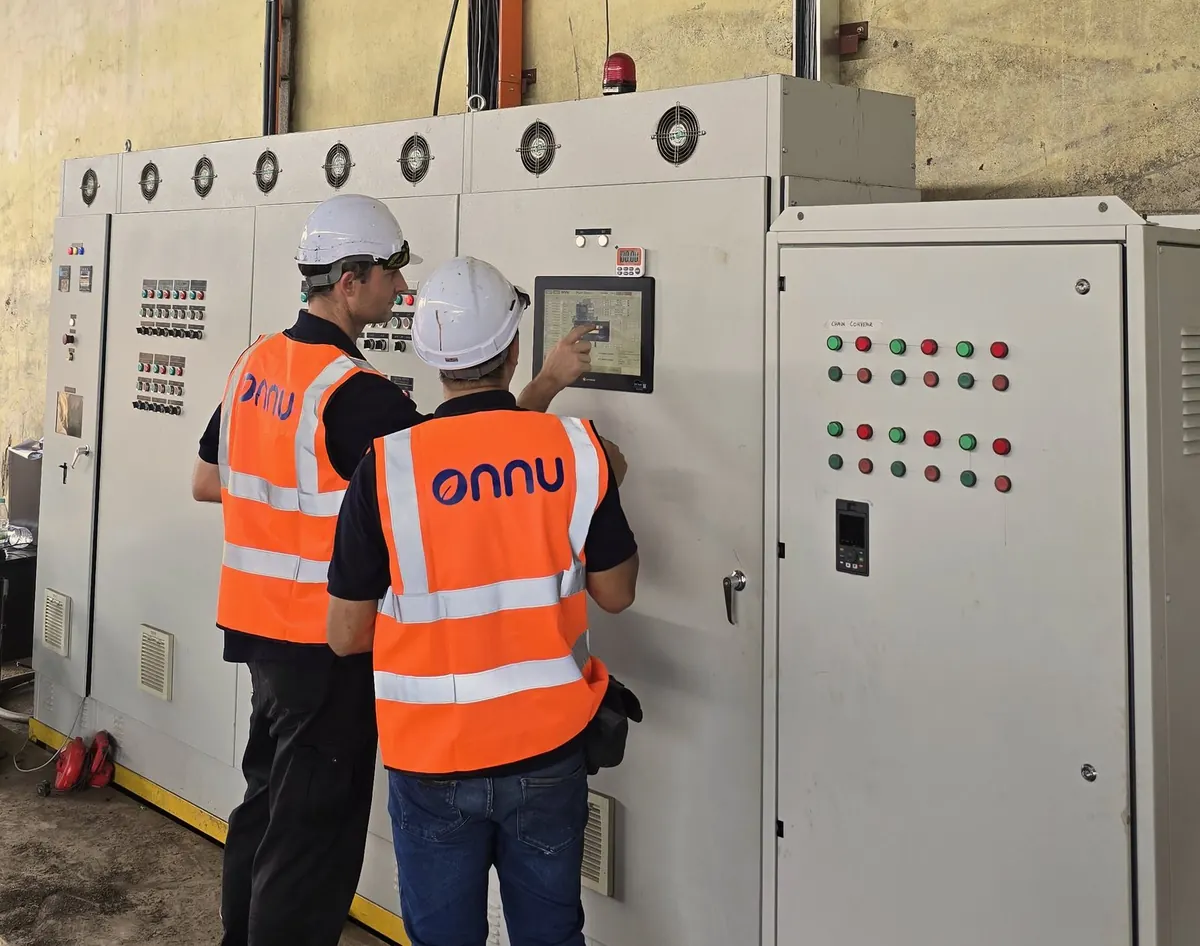
A focused conversation about how your business runs and where AI could help — and where it would not.